Honduras Próspera
Honduras Próspera is the first ZEDE approved under the Honduran constitutional framework for special jurisdictions. ZEDE stands for Zonas de Empleo y Desarrollo Económico, or Zones for Employment and Economic Development. We submitted to CAMP, the Honduran agency that oversees ZEDEs, in 2016. The first jurisdiction was approved on December 29, 2017. The original Charter took effect August 23, 2018, was amended September 13, 2019, and runs to roughly 8,917 words, longer than the United States Constitution and its amendments combined. Próspera International is the company that built it and runs it.
Inside the jurisdiction we maintain a regulatory code, tax architecture, e-governance platform, and arbitration center built for a common-law operating environment. The intent was institutional depth, not tariff carve-outs. Nine years in, the question of whether American institutional architecture can be exported on host-country terms is no longer hypothetical. The detail of how this works, what we have built, and what we have learned is below.
What we built
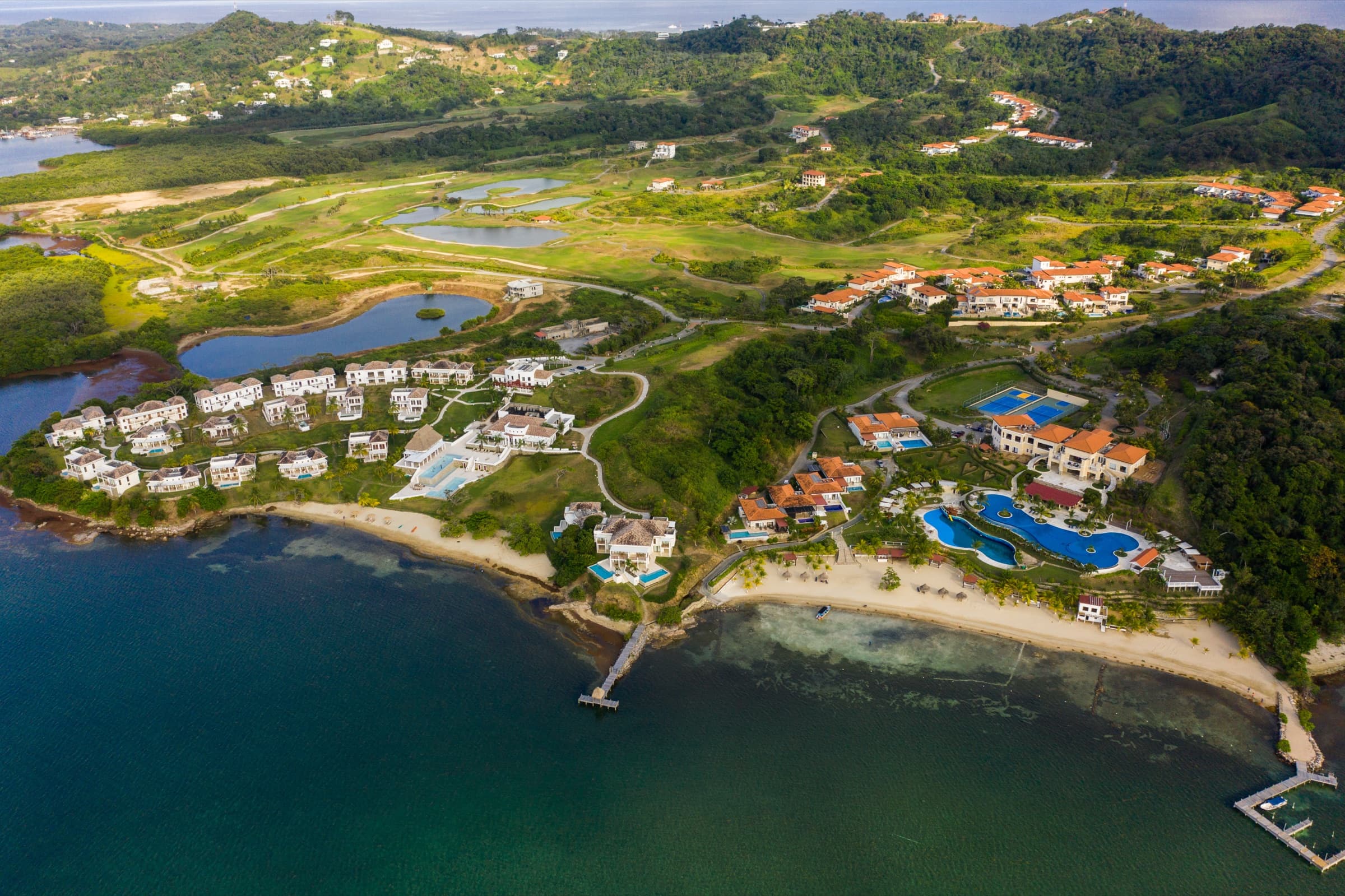
Honduras Próspera has been operational since the original ZEDE approval on December 29, 2017. As of March 2026, the jurisdiction houses 2,399 residents under one or more of the residency agreements available inside the jurisdiction: 255 physical residents, 422 e-residents, and 1,722 limited e-residents. Total residents are up 128 percent year-over-year. Legal entity formations stand at 483, up 140 percent year-over-year. Quarter-over-quarter growth runs 27 percent on entity registrations and 37 percent on residents.
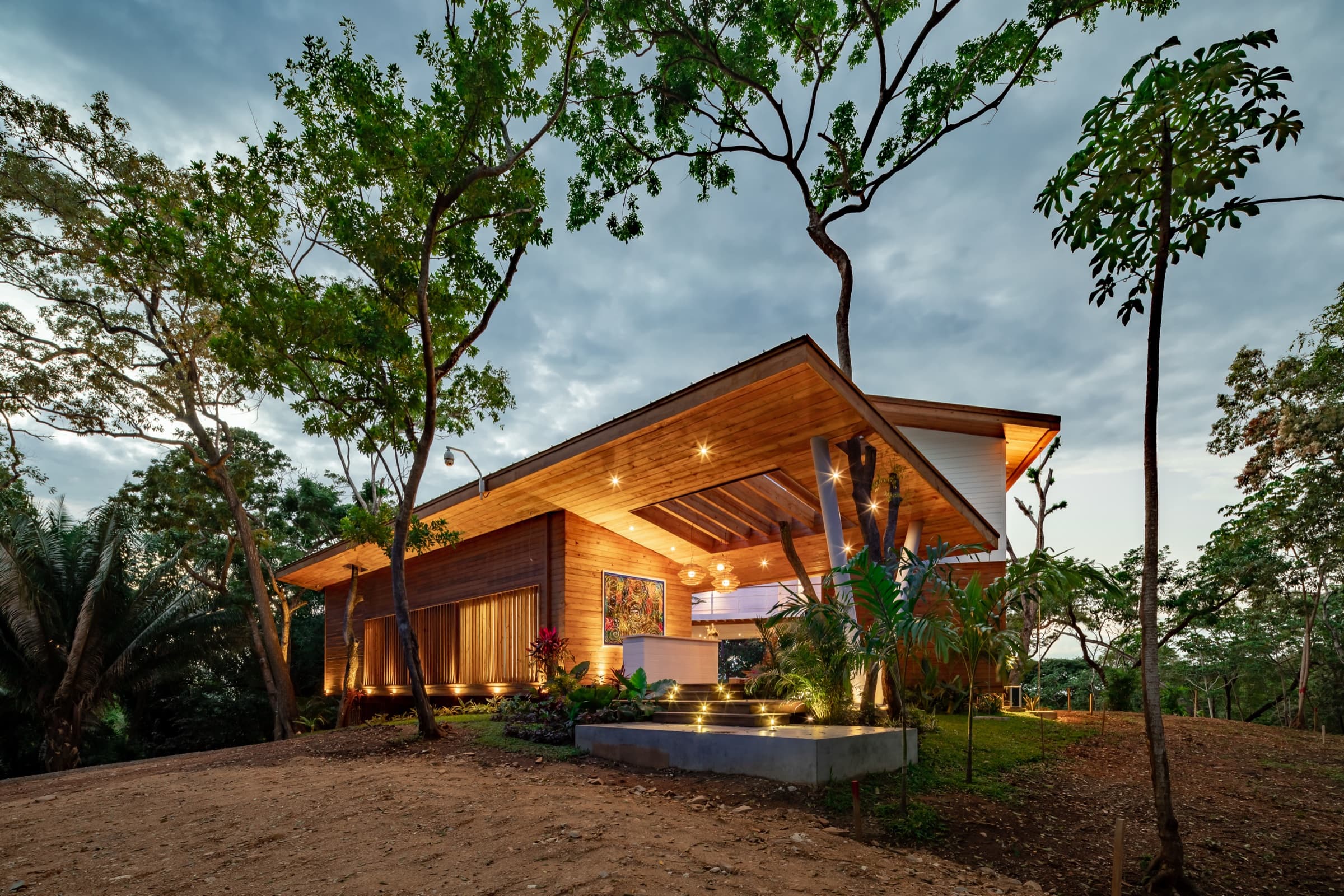
The built environment on Roatán includes residential developments, the Las Verandas hotel and the Clubs at Pristine Bay, the Pristine Academy school serving 53 students, civic infrastructure, and the public-facing operations of the General Service Provider that runs municipal functions inside the jurisdiction. The Próspera Arbitration Center has been resolving disputes since 2018. The Council of Trustees holds public meetings on the second and fourth Thursday of every month, with seven of nine seats currently filled.
How it works
Honduras Próspera operates under the Honduran ZEDE Organic Law, passed by 102 of 128 deputies in the Honduran Congress in 2013 and ruled constitutional by a unanimous decision of the Honduran Supreme Court. The framework authorizes special jurisdictions inside Honduran territory with their own regulatory and governance architecture. Próspera was approved as the first such jurisdiction on December 29, 2017, after roughly twelve months of due diligence and negotiation with CAMP, the Committee for the Adoption of Best Practices, which oversees ZEDEs. The Próspera Charter was approved on August 23, 2018 at the Honduran Embassy in Washington, D.C., and amended on September 13, 2019.
Governance inside the jurisdiction runs through a Council of Trustees and a Technical Secretary appointed by CAMP. Five of nine Council seats are eventually elected by residents; four are appointed by the promoter and organizer to anchor long-horizon decisions against short-term political incentives. Rulemaking requires Technical Secretary promulgation plus approval by two-thirds of the Council and, for most categories of rule, separate review by CAMP. Once the resident population reaches one thousand, residents acquire the right to nominate the Technical Secretary and to replace the human-rights ombudsman by referendum. Once the population reaches ten thousand, all rules become subject to repeal by direct vote. Professor Tom Bell calls this corrective democracy, and it is the spine of the governance design.
The substantive law inside the jurisdiction is the Roatán Common Law Code, adapted from American Law Institute restatements, the Uniform Law Commission's model commercial codes, and American Bar Association model business codes. The framework will be familiar to anyone who has done business in the United States, Canada, the United Kingdom, Australia, or any other common-law country. Land titles run on Torrens registry principles adapted from New Zealand and Australian statute law. Land use is decentralized in the Houston, Texas style, with covenants and severable air, noise, and density rights traded inside the e-governance platform. Regulated industries can elect to comply with Honduran law, the law of any of roughly thirty OECD best-practice peer countries, or a tailored Próspera rule. Tax architecture is three flat instruments: an effective 5 percent income tax on natural persons, a 10 percent nominal income tax on legal entities with a 1 percent effective rate, a 5 percent retail VAT applied to the value-add portion (2.5 percent effective on the final sale), and a 1 percent land value tax. From 2030 or once natural-person physical residents exceed fifty thousand, whichever comes later, total tax revenue is capped at 7.5 percent of jurisdiction GDP, with any excess refunded pro rata to taxpayers.
Disputes are resolved through the Próspera Arbitration Center, the default arbitration service provider for the jurisdiction. Senior Judges include retired Arizona Supreme Court, appellate, and trial court justices alongside international legal scholars and constitutional litigators. For many proceedings the Center is required by local rule to resolve a dispute within sixty days, against a Honduran national average of roughly twenty months. Decisions create public precedent in the Próspera common-law system.
Three legal stability anchors backstop the framework. Substantive amendment of the ZEDE Organic Law requires a two-thirds vote of the Honduran Congress. Honduras's treaty obligations to investors under CAFTA-DR and parallel investment treaties bind the central government to honor the framework as agreed. CAMP's non-objection to the Próspera Charter is itself enforceable through private arbitration administered by ICSID at the World Bank. Inside that legal envelope, the institutional architecture compounds in the way any serious institutional architecture compounds: one functioning piece at a time.
Learn more about Próspera.
Operating detail belongs on the company surface. For residency, business setup, the regulatory framework, day-to-day operations, and current openings, use Próspera directly.
Learn more about Próspera
For residency, business setup, the regulatory framework, company operations, and careers.
Learn more about PrósperaAmerican Economic Statecraft
For the doctrine and writing behind this work, read American Economic Statecraft.
American Economic StatecraftDisclosure.
Materials on this page describe Honduras Próspera and Próspera International at a strategic and operating level. Nothing on this page is an offer to sell securities, a solicitation of an offer to buy securities, or investment advice. Qualified investors should request investor materials through the investor path on the contact page.